
Best Fence Types for Keeping Dogs Safe in Your Backyard (2026 Guide)
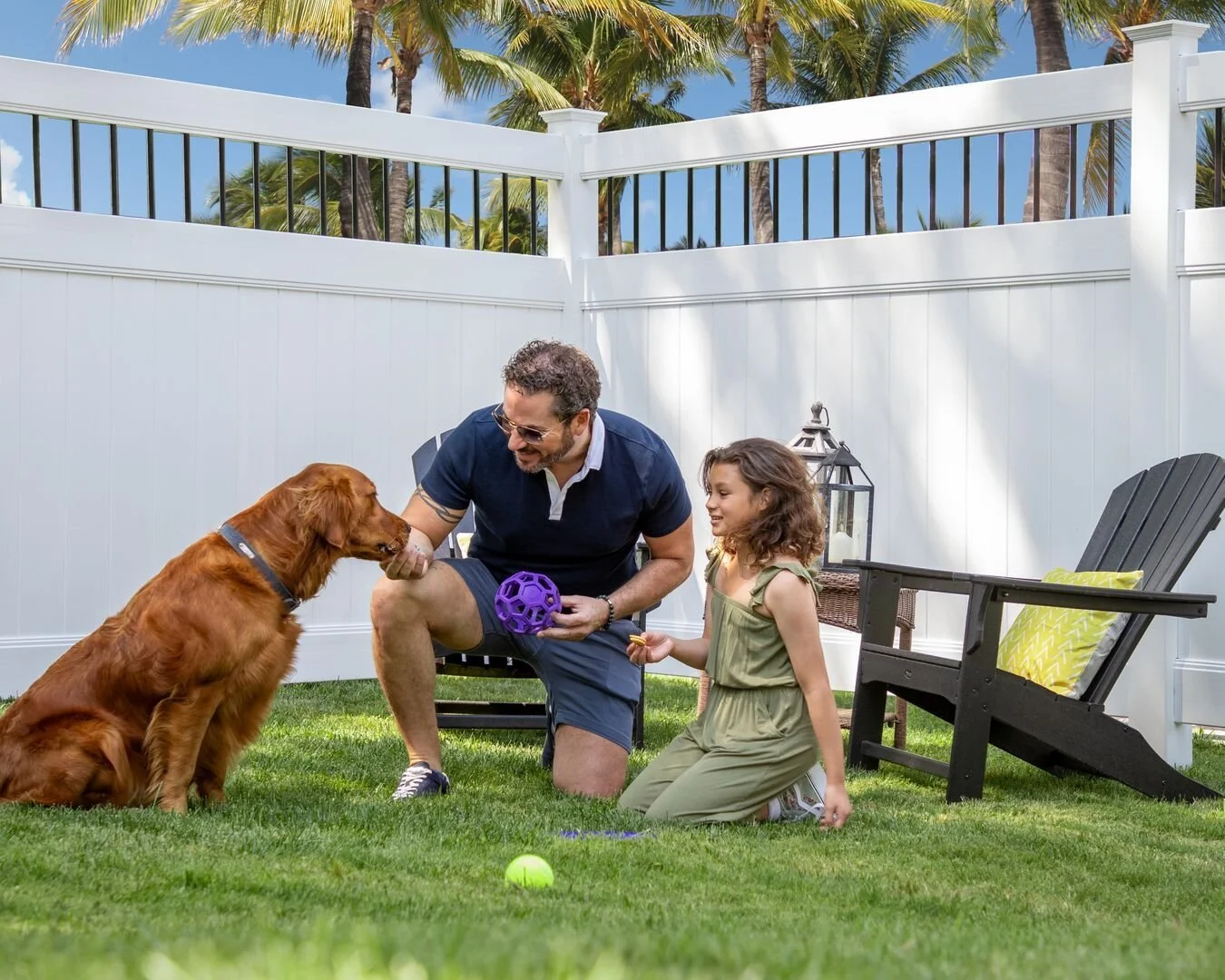
Every year, thousands of pets escape from backyards due to poor fencing choices or weak containment systems. In fact, the ASPCA estimates that 1 in 3 pets will go missing at some point in their lifetime. That equals around 10 million pets in one year.
For Sarasota homeowners, the stakes are even higher. Florida brings unpredictable weather, sandy soil, and local wildlife like alligators and snakes. Choosing the right dog fencing solution isn’t about convenience—it’s about safety and peace of mind.
At Foremost Fence, we’ve spent over 15 years helping Southwest Florida homeowners build the best fence for dogs. We create secure, long-lasting fencing solutions tailored to both their property and their pets.
In this guide, we’ll break down the physical and electronic fencing options for dogs, based on real-world insights and Florida’s climate.
Why Proper Dog Fencing Matters for Pet Safety and Peace of Mind
A secure fence does more than keep your dog in your yard. It protects them from outside dangers and safeguards you from potential liability.
Here’s why choosing the right dog-proof fence matters:
Prevents escapes and lost pets
Protects against wildlife threats common in Florida
Helps you comply with local leash laws and HOA rules
Reduces the risk of injury or accidents
Keeps neighbors and other pets safe
For many homeowners, the emotional benefit is equally important. Knowing your dog can safely enjoy the backyard without constant supervision brings valuable peace of mind.
Legal Considerations for Dog Fencing in Florida
In Sarasota and surrounding areas, dog owners are required to maintain control of their pets at all times. This usually means:
Keeping dogs within a fenced yard or on a leash
Following HOA fence height and material restrictions
Installing fences within property line setbacks
Failing to comply can lead to fines or liability if your dog causes damage or injury.
Protection from Florida-Specific Wildlife Threats
Southwest Florida presents unique challenges you won’t find in most national guides.
Local risks include:
Alligators in lakes, canals, and retention ponds
Venomous snakes in residential areas
Small predators that can harm smaller dogs
Florida Fish and Wildlife Conservation works on addressing alligator threats in developed areas. But, a properly installed physical fence can act as a critical barrier against these threats, especially in waterfront or wooded neighborhoods.
The bottom line is that a strong, well-designed fence isn’t about containment but protection. The best fence for dogs is also the best fence for you.
Physical vs. Electronic Fence Options for Dogs
When deciding on the best fence for dogs, most homeowners choose between a traditional physical fence and an electronic containment system.
Physical Fences (Most Reliable Option)
Physical fencing creates a strong, visible barrier that keeps your dog safely contained while protecting them from outside risks.
Pros:
Provides real protection from traffic, wildlife, and intruders
Works in all weather conditions, including Florida storms
Long-term durability and property value benefit
No reliance on signals, batteries, or training compliance
Electronic & Wireless Fences
Electronic systems include wireless, underground, and GPS-based options. When looking for the best wireless fence for large dogs or small dogs you might consider these setups. The best GPS fence for dogs or the best GPS fence collar for dogs may differ by breed.
Depending on where you live, the best electronic fence for dogs or the best invisible fence for dogs wireless may not meet Florida's legal requirements. So, before looking for the best wireless fence for dogs, check the rules in your area.
Pros
Lower upfront cost compared to physical fencing
Faster and easier installation (often DIY-friendly)
No visible structure, which may appeal to HOA restrictions
Flexible boundaries with GPS-based systems
Quick takeaway:
While electronic and wireless options are useful in certain situations, physical fencing remains the most dependable solution for long-term safety in Florida’s climate, regardless of the dog's breed or size.
Physical Fence Options: Materials and Heights for Dog Containment
When it comes to the best fence for dogs, physical fencing remains the most reliable solution, especially in Southwest Florida. Unlike electronic systems, physical fences create a true barrier that protects your dog from outside threats while keeping them securely contained.
At Foremost Fence, we’ve seen firsthand how Florida’s humidity, salt air, and storm conditions impact fencing materials. Choosing the right material is equally as important as choosing the right height.
Fence material for Florida weather:
Vinyl: a solid barrier that prevents climbing, holds up against moisture and sun exposure
Chain link: strong and cost-effective for large areas
Aluminum: resists rust, maintains long-term durability in coastal conditions
Fence height by dog size:
Small dogs: 3–4 feet
Medium dogs: 4–5 feet
Large or athletic dogs: 6+ feet
To prevent escapes, fences should also address digging behavior by extending below ground or using reinforced bases. A well-installed physical fence that accounts for both your dog’s behavior and Florida’s environment will provide the most dependable protection.
Vinyl Fencing for Dog Areas
Vinyl fencing, sometimes referred to as PVC fencing, is one of the most durable and low-maintenance options available for dog owners in Florida. It resists moisture, humidity, warping, and fading from sun exposure, even providing hurricane resistance.
Top benefits of vinyl fencing:
Low maintenance, easy installation
Resists rot, warping, and insect damage
Durable - approximately five times stronger than wood
Can provide complete privacy - interlocking panel options for a tight enclosure
Best for:
Dogs that react to movement outside the yard
Homeowners who want privacy and minimal upkeep
Long-term durability in Florida’s climate
Chain Link Solutions for Active Dogs
Chain link fencing is a practical, cost-effective option that works well for many dog owners, especially those with larger properties. Modern chain link systems use galvanized coatings to help resist rust in humid conditions.
Top benefits:
Strong, reliable containment for active dogs
Open visibility for easy supervision
Lower installation costs compared to other materials
One thing to keep in mind is climbability. Some dogs can scale chain link fencing, so adding height or anti-climb features may be necessary.
Best for:
Large yards or open spaces
High-energy dogs
Budget-conscious homeowners
Aluminum Fencing for Aesthetic Appeal
Aluminum fencing is a popular choice for homeowners who want a clean, decorative look without sacrificing durability. It’s well-suited to Florida's weather.
Resists rust and corrosion in salt air
Requires little maintenance
Maintains its appearance over time
Because aluminum fences have spacing between pickets, they may not be ideal for very small dogs unless you explore customized spacing options.
Best for:
Medium to large dogs
Homeowners focused on aesthetics
Low-maintenance, long-term solutions
Choosing the Right Height and Design for Your Dog's Size and Behavior
Material is only part of the equation. The height of your fence plays a major role in preventing escapes. The right height depends on your dog’s size, athletic ability, and behavior.
Recommended Fence Heights
Small dogs (under 25 lbs):
At least 3–4 feetMedium dogs (25–60 lbs):
4–5 feet minimumLarge dogs (60+ lbs):
6 feet or higher
If your dog jumps or climbs, you should always go higher than the minimum. A good rule is to choose a fence that is at least 1–2 feet taller than your dog’s maximum jump height.
To determine the right fence height for your dog, start with some quick measuring:
Measure from the ground to the top of your dog’s head while standing
Observe or estimate how high your dog can jump
Add 1–2 feet above that jump height for safety
When in doubt, go taller—especially for athletic or high-energy breeds
Design adjustments are key for specific behaviors:
Jumpers: Taller fences with minimal footholds help prevent launch points
Climbers: Smooth materials like vinyl reduce grip and make climbing more difficult
Diggers: Reinforce the base with underground barriers or extended fencing below grade
Aggressive or high-drive breeds: Stronger materials and reinforced posts help prevent pushing, bending, or weak point failures
A well-planned fence accounts for how your dog acts, not just how big they are, which is the best way to prevent escapes long term.
Preventing Common Escape Methods
Even a tall fence won’t work if it doesn’t address how dogs try to get out. In our experience, most escapes happen because fencing isn’t designed with behavior in mind. Here's how to prevent each escape method.
Digging - fence for dogs who dig:
Install underground barriers or mesh along the fence line
Use concrete footings at the base of the fence
Extend fencing material several inches below ground
Climbing and jumping:
Smooth surfaces like vinyl reduce climbing opportunities
Taller fences discourage jumping attempts
Adding toppers or angled extensions can stop determined climbers
Dogs often find and exploit the weakest part of a fence. Pay close attention to:
Corners and connection points
Gate areas and latch systems
Post stability in sandy soil
Special Considerations for Multiple Dogs
If you have more than one dog, your fencing needs go beyond basic containment. Dogs often behave differently in groups, which can create added pressure on certain parts of your fence.
Common issues to watch for:
Pack behavior: Dogs may work together to test weak spots or push against fencing
Fence line aggression: Dogs can become reactive toward neighboring pets through gaps or openings
Size differences: Larger dogs can create escape opportunities for smaller dogs
To prevent problems, it’s important to:
Choose proper spacing so smaller dogs can’t slip through
Reinforce high-traffic areas where dogs tend to run or gather
Consider separate sections if you have dogs of very different sizes or temperaments
Planning for multiple dogs helps reduce stress on the fence and keeps all pets safe.
Common Mistakes Dog Owners Make When Choosing Fencing
Choosing the wrong fence often leads to escapes, repairs, or costly replacements. Many of these issues stem from avoidable planning mistakes, including:
Underestimating your dog’s jumping or climbing ability
Choosing materials that don’t hold up in Florida’s humidity
Using weak gate hardware or unsecured latches
Not factoring in long-term maintenance costs
Ignoring drainage or flooding issues in the yard
Failing to plan for a growing puppy or adding another dog later
Material Selection Errors in Florida Climate
Florida’s humid, subtropical environment can quickly wear down the wrong fencing material. Common issues include:
Wood fencing: Prone to rot, warping, and termite damage in humid conditions
Unprotected metal: Can corrode quickly due to salt air, especially near the coast
Improper foundations: Sandy soil requires proper post setting to prevent shifting or leaning
Installation and Planning Mistakes
Even the best materials can fail if the installation isn’t done correctly. Key mistakes to avoid include:
Not calling 811 before digging, which can lead to utility damage
Improper post spacing that won’t hold up in strong winds
Skipping drainage planning, which can weaken fence stability over time
In hurricane-prone areas, professional fence installation is critical to ensure your fence stays secure.
FAQs About Dog Fencing
What’s the minimum fence height needed for a medium-sized dog?
Most medium dogs (25–60 lbs) need at least a 4–5 foot fence. Active or athletic breeds may require 6 feet. Always consider your dog’s jumping ability and add extra height for safety.
Do electronic dog fences work in Florida’s rainy weather?
Most systems are waterproof, but heavy storms can interfere with signals. It’s best to have a physical fence or backup plan during severe weather.
What fence material lasts longest in Southwest Florida?
Vinyl and aluminum fences typically last 20–30 years with minimal maintenance. Galvanized chain link is also a durable and cost-effective option.
Can I install a dog fence myself?
Some systems are DIY-friendly, but permanent fencing often requires permits, proper installation, and knowledge of local conditions. Professional fence installation helps ensure long-term reliability.
How much does dog fencing cost in Sarasota?
Costs vary depending on material and yard size. A professional estimate will give you the most accurate pricing for your property.